Foodie Profiles : Best non veg recipes
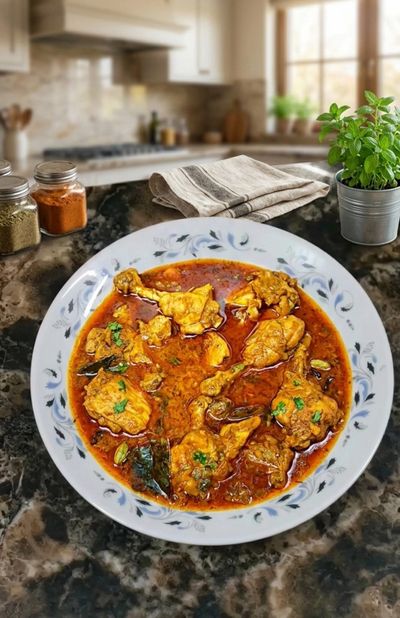
Chicken Curry : Rich & Creamy Recipe from Foodie Profiles
The Timeless Allure of Chicken Curry : A Flavor Journey Worth Savoring
Few dishes capture the essence of comfort and culinary heritage quite like chicken curry. A staple in homes across South Asia and increasingly popular in kitchens worldwide, this rich and creamy dish weaves together layers of aromatic spices, tender meat, and velvety sauces that leave a lasting impression. Whether slow-cooked in a village kitchen or prepared in a modern urban home, chicken curry transcends borders and generations, offering a taste of tradition with every spoonful. In regions like New Delhi, where food is both celebration and daily ritual, mastering the perfect curry is a rite of passage for home chefs.
This guide of Foodie Profiles dives into the heart of what makes chicken curry a beloved classic—from the balance of turmeric, cumin, and garam masala to the role of yogurt or cream in achieving that signature silkiness. You’ll learn with Foodie Profiles Team how to layer flavors like a pro, avoid common pitfalls such as curdling or over-spicing, and adapt the recipe to suit local palates, whether in Indian households or international kitchens. Whether you're cooking for a family dinner or exploring global recipes, this foundation sets you up for success.
By the end, you'll understand:
- The core spice blends that define authentic flavor profiles
- Techniques for tender, well-marinated chicken
- How to build a rich, emulsified gravy without splitting
- Ways to customize heat, creaminess, and texture to match regional preferences
Get ready to transform simple ingredients into a curry that warms the soul and elevates everyday cooking.
Master the Perfect Chicken Curry: From Spice Bloom to Creamy Finish
Crafting a rich and creamy chicken curry at home doesn’t require professional training—just the right technique, timing, and attention to detail. Whether you’re cooking in a New Delhi kitchen or serving up comfort food across North India, this step-by-step guide of Foodie Profiles ensures a flavorful, restaurant-quality dish every time.
- Brown the Chicken for Depth
Use bone-in pieces for added richness and sear them in oil over medium-high heat until lightly golden. Remove and set aside—this step builds foundational flavor and keeps the meat tender during simmering. - Bloom the Spices
In the same pot, sauté 1 chopped onion until golden, then add 1 tbsp ginger-garlic paste. Stir in 1 tsp cumin, 1 tbsp coriander powder, 1/2 tsp turmeric, and 1/2 tsp red chili powder. Cook for 2–3 minutes until fragrant—this tadka technique unlocks essential oils and deepens flavor. - Build the Base
Add 2 chopped tomatoes and cook into a thick paste. For creaminess, stir in 2 tbsp cashew paste or 1/4 cup heavy cream. Add 1 cup water, bring to a simmer, and return the chicken to the pot. - Simmer for Perfection
Cover and cook on low for 25–30 minutes, allowing flavors to meld and the sauce to thicken. Stir occasionally to prevent sticking. - Finish and Adjust
Off heat, stir in 1 tbsp fresh cream or yogurt to enhance silkiness. Garnish with cilantro and serve with basmati rice or naan for a complete meal.
A Global Twist on a Classic: Regional Variations of Chicken Curry
Chicken curry is more than a single dish—it’s a culinary canvas shaped by geography, culture, and local taste preferences. From the coconut-laced curries of South India to the creamy, yogurt-based gravies of North India, each region imparts its own identity through spice blends, cooking techniques, and core ingredients. Understanding these regional variations empowers home chefs to experiment authentically while mastering the fundamentals of flavor layering.
In Kerala, coconut milk and curry leaves create a fragrant, mildly spiced broth, while Punjabi versions rely on butter, cream, and garam masala for a rich, indulgent profile. Bengali chicken kurma uses poppy seed paste and mustard oil for a nutty depth, whereas Goan curries incorporate vinegar and tamarind for a tangy kick influenced by Portuguese heritage.
To adapt chicken curry to regional styles:
- Use coconut milk for a South Indian twist
- Add dairy like yogurt or cream for North Indian richness
- Incorporate mustard paste or panch phoron for an East Indian flair
- Simmer with tamarind or kokum for coastal sourness
Whether you're cooking in New Delhi or a suburban kitchen abroad, selecting the right spice palette and liquid base can transform a simple chicken dish into a regional masterpiece. The key is balancing heat, acidity, sweetness, and aroma to align with the cuisine you're emulating.
Got Questions About Making Chicken Curry at Home? We’ve Got Answers
Cooking a rich and creamy chicken curry at home can be deeply satisfying, but it often comes with questions—especially when balancing flavors, textures, and cooking techniques. Whether you're in New Delhi or another part of India where aromatic curries are a staple, these answers address real kitchen concerns to help you create a perfect dish every time.
Can I use chicken pieces with bone for my curry?
Yes—bone-in chicken, especially thighs or drumsticks, enhances flavor and adds richness to the gravy. The collagen from the bones breaks down during slow cooking, naturally thickening the sauce. Just ensure even cooking by cutting larger pieces uniformly.
What are good dairy-free alternatives for cream?
Coconut milk, cashew paste, or blended boiled onions work well as creamy, non-dairy bases. For a lighter option, use yogurt alternatives like coconut yogurt, but add gradually to prevent curdling.
How can I make my curry thicker without overcooking?
Simmer uncovered to reduce the liquid, or use a slurried teaspoon of cornstarch in water. A quick blend of soaked cashews or onions also adds body and depth.
Is it necessary to marinate the chicken?
While not mandatory, marinating for 20–30 minutes in yogurt and spices tenderizes the meat and deepens flavor. Always pat chicken dry before browning to avoid steaming.
Can I freeze leftover chicken curry?
Absolutely. Store in airtight containers for up to 3 months. Reheat slowly on the stove, adding a splash of water or cream to restore texture.
What spices should I always keep on hand?
Maintain a core trio: cumin, coriander, and garam masala. Fresh ginger-garlic paste and turmeric are essential for base flavor, while whole spices like cardamom or cinnamon add complexity.
How do I prevent the curry from becoming too oily?
Use moderate oil, allow whole spices to bloom fully before adding other ingredients, and skim excess oil from the surface after cooking if needed.
The Joy of Sharing a Homemade Chicken Curry
There’s something deeply satisfying about serving a pot of rich, creamy chicken curry made entirely from scratch. Every simmered hour and carefully blended spice comes together not just as a meal, but as a gesture of care—one that warms the kitchen and brings people together around the table. Whether you're cooking for family in New Delhi or hosting friends from nearby Gurgaon or Noida, homemade chicken curry offers a taste of authenticity that store-bought alternatives simply can’t match.
By now, you’ve mastered the foundation with Foodie Profiles Team: tender meat, a velvety sauce enriched with cashew paste or coconut milk, and a balanced blend of turmeric, cumin, coriander, and garam masala. But the real magic happens when you personalize it—adjusting heat levels, adding a splash of cream for indulgence, or stirring in fresh fenugreek leaves for an earthy finish. Don’t hesitate to experiment with regional touches, like a hint of tamarind for sour depth or curry leaves for a South Indian twist.
Take pride in your creation. Snap a photo, share your version with loved ones, or prep a portion for meal prep—it reheats beautifully. For continued inspiration, explore related recipes on your website to refine techniques and discover global variations. The kitchen is your canvas—keep cooking, keep sharing, and and savor every flavorful moment.
Foodie Profiles
Foodie Profiles : Mutton Keema Masala Recipe
Savor the Warmth of Mutton Keema Masala This Winter
Few dishes capture the soul of Indian home cooking quite like Mutton Keema Masala—a rich, spiced minced meat curry that warms the body and delights the senses. Revered across households in North India, especially in regions like Punjab and Uttar Pradesh, this dish is more than a meal; it's a culinary tradition deeply woven into family gatherings, festive celebrations like Diwali and Eid, and winter feasts where hearty flavors take center stage. Made with tender goat mince, slow-cooked in a robust gravy of onions, tomatoes, ginger-garlic, and aromatic spices, it delivers an instant comfort that store-bought curries simply can’t replicate.
For food lovers seeking authenticity, mastering Mutton Keema Masala opens the door to understanding core Indian techniques—tempering spices, building layered flavors, and balancing heat with richness. It’s ideal for home cooks wanting to elevate their curry game without relying on pre-made sauces. Whether you're serving it with buttery naan, steamed basmati rice, or parathas fresh off the griddle, this dish promises a bold, satisfying experience rooted in regional heritage. In the following sections of Foodie Profiles , you’ll learn how to craft this beloved classic from scratch, with pro tips on spice control, texture perfection, and achieving that restaurant-style depth in your own kitchen.
Master the Art of Mutton Keema Masala: A Step-by-Step Guide
Crafting a rich, aromatic Mutton Keema Masala starts with the right technique and attention to detail. Begin by selecting fresh, finely minced mutton—ideally with a small amount of fat for enhanced flavor. In a heavy-bottomed kadhai or skillet, heat 2–3 tablespoons of oil over medium heat and sauté 2 finely chopped onions until they turn a deep golden brown—this slow caramelization builds the dish’s flavor foundation.
Next, add 1 tablespoon of ginger-garlic paste and 2–3 chopped green chilies; sauté for 2 minutes to release their aroma. Stir in 2 chopped tomatoes and cook until the mixture thickens and the oil begins to separate. This forms the perfect base for the spices.
Now, add 1 teaspoon of turmeric, 1 tablespoon of coriander powder, 1 teaspoon of garam masala, and a pinch of Kashmiri red chili powder for color. Mix well and cook for a minute to eliminate raw spice notes. Add the minced mutton, breaking up any clumps with a spatula, and cook on medium-high heat for 8–10 minutes until the meat changes color and begins to crisp slightly at the edges.
Pour in ½ cup of water, cover, and simmer for 15–20 minutes, stirring occasionally. For a richer texture, finish with a splash of fresh cream or a knob of ghee. Garnish with chopped coriander and serve hot with naan or steamed rice in New Delhi homes and kitchens across India. Key tip: avoid overcooking the meat—stop when it’s tender but still holds texture to prevent dryness.
Power Your Plate: The Nutritional Powerhouse of Mutton Keema Masala
Mutton isn't just celebrated for its rich, gamey flavor—it’s a nutrient-dense protein source that, when prepared mindfully in dishes like Mutton Keema Masala, offers substantial health benefits. Ground mutton is an excellent source of high-quality animal protein, delivering all essential amino acids necessary for muscle repair, enzyme production, and immune function. A single serving can contribute significantly to your daily protein needs, supporting sustained energy and satiety—ideal for active lifestyles in urban centers like New Delhi and beyond.
This red meat is also rich in vital micronutrients often under-consumed in typical diets. It’s a potent source of heme iron, which is more readily absorbed by the body than non-heme iron from plant sources, helping prevent iron-deficiency anemia. Mutton provides ample vitamin B12 for nerve health and red blood cell formation, zinc for immune resilience, and selenium, a powerful antioxidant. When slow-cooked in a spiced gravy with onions, tomatoes, and healthy fats, the bioavailability of fat-soluble vitamins and minerals increases.
For mindful consumption:
- Opt for lean cuts and trim visible fat to reduce saturated fat intake
- Balance portions—100–150g of mutton per serving is nutritionally adequate
- Pair with fiber-rich sides like whole wheat roti or brown rice to aid digestion
- Use heart-healthy oils like mustard or sunflower oil in preparation
By integrating mutton keema into a varied diet, you gain access to a powerhouse of nutrients that support overall wellness—when prepared with care and enjoyed in moderation.
Serving Perfection: How to Enjoy Mutton Keema Masala Like a Pro
Mutton Keema Masala bursts with rich, earthy flavors that shine when paired thoughtfully with the right accompaniments. For an authentic North Indian dining experience, serve the keema hot over steamed basmati rice—the fluffy, aromatic grains perfectly soak up the spiced gravy. Alternatively, scoop it up with soft roti, buttery naan, or crisp paratha for a satisfying, hands-on meal. In homes across New Delhi and throughout Punjab, these breads are staples at dinner tables, elevoking generations of culinary tradition.
To round out your spread, include a cooling side to balance the dish’s warmth. A simple cucumber-yogurt raita or kachumber salad (diced tomatoes, onions, cilantro, and lemon) adds freshness and texture. For extra depth, consider serving with a small bowl of pickle or fried green chiliesfor those who enjoy bold heat.* Make-ahead tip of Foodie Profiles:* Mutton Keema Masala actually improves in flavor when made a day ahead. Cool completely, then store in an airtight container in the refrigerator for up to 4 days. Reheat slowly on the stove with a splash of water or broth to restore the ideal consistency. For long-term storage, freeze in portion-sized containers for up to 3 months—perfect for quick, home-cooked meals on busy days.
Frequently Asked Questions About Mutton Keema Masala
Can I substitute mutton with another meat?
Yes, you can use lamb or goat mince as direct substitutes since they share similar flavor and fat profiles. In Indian households across New Delhi and beyond, mutton remains preferred for its rich, gamey essence that defines authentic Keema Masala.
How do I adjust the spice level for a milder dish?
Control heat by reducing green chilies and red chili powder. Start with half the recommended quantity, then taste and adjust. You can also balance spice with a splash of cream or yogurt during cooking. For family-friendly versions, consider deseeding chilies before chopping.
Why is my gravy turning out greasy?
Excess fat often comes from not draining cooked mince. After browning the meat, drain off accumulated fat before proceeding. Using very fatty cuts can also contribute—opt for a balanced lean-to-fat ratio (around 70:30) for ideal texture.
What if my curry is too watery?
Simmer uncovered to encourage evaporation. You can also mix 1 tsp cornstarch with water and stir it in, cooking for 2–3 minutes until thickened. Overcrowding the pan with too much liquid initially is a common cause—add stock or water gradually.
Can I freeze Mutton Keema Masala?
Absolutely. Cool completely, then store in airtight containers for up to 3 months. Thaw in the fridge overnight and reheat gently on the stove. The flavors deepen over time, making leftovers even more delicious.
How do I prevent the mince from clumping?
Break it up thoroughly while browning using a wooden spoon. Avoid adding all the meat at once—cook in batches if needed. High heat and constant stirring ensure a fine, crumbly texture essential for a restaurant-style finish.
What are the best sides to serve with Keema Masala?
Pair with soft naan, paratha, or steamed rice. In North Indian cuisine, it’s often enjoyed with boiled potatoes or roti for a comforting meal.
Why Mutton Keema Masala Deserves a Permanent Spot in Your Weekly Rotation
Mutton Keema Masala isn't just another curry—it's a robust, aromatic declaration of comfort that transforms simple ingredients into something deeply satisfying. At its core, this dish shines through the harmonious blend of tender minced mutton, slow-cooked with onions, tomatoes, and a warm spice medley that includes cumin, coriander, turmeric, and green chilies. The result is a rich, deeply flavorful gravy perfect for soaking into hot naan or steaming basmati rice. What makes it a standout for home cooks across North India—and particularly in kitchens in New Delhi and beyond—is its balance of bold taste and weeknight practicality.
Key takeaways? First, always sauté your onions until they caramelize, as this builds the foundation of the gravy’s sweetness. Second, use freshly ground spices for maximum depth—pre-ground blends often lack punch. Third, consider marinating the keema briefly in ginger-garlic paste to tenderize and infuse early flavor. And finally, a splash of water or broth during simmering ensures the mince stays moist and the masala thickens to perfection.
This recipe is ideal for meal prepping or feeding a family on a chilly evening. For best results, try preparing it a day ahead—the flavors deepen over time. Share your version with fellow home chefs: Did you add potatoes? Swap in lamb for mutton? Your twist could inspire someone else’s next kitchen win. Start simmering, savor the aroma, and make this classic your own .
Foodie Profiles

Foodie Profiles : Authentic Egg Curry Recipe
Unlock the Rich Flavors of Egg Curry: A Staple of Indian Kitchens
Few dishes embody the essence of everyday Indian home cooking quite like egg curry—a humble yet deeply satisfying dish cherished across urban apartments in New Delhi and village homes alike. Known for its creamy texture, bold spices, and protein-rich eggs, this curry has earned a permanent spot in weekly meal rotations, especially among families seeking nutritious, budget-friendly meals without compromising on taste. Whether served with steamed rice, buttered toast, or freshly made parathas, egg curry delivers comfort in every bite while fitting seamlessly into fast-paced modern lifestyles.
In this guide of Foodie Profiles , you’ll discover how to craft an authentic egg curry from scratch using simple pantry staples and traditional techniques. Learn how to master the perfect gravy—neither too thin nor too thick—by balancing onions, tomatoes, and whole spices like bay leaves, cinnamon, and cumin. You’ll also uncover with Foodie Profiles Team, pro tips for boiling eggs evenly, preventing rubbery textures, and layering flavors through tadka (tempering). Whether you're new to Indian cooking or refining your skills, this recipe offers a foolproof path to restaurant-quality results at home. By the end, you’ll be equipped to customize heat levels, experiment with coconut milk or yogurt for richness, and make leftovers taste even better the next day.
Master the Perfect Egg Curry in Your Kitchen: A Step-by-Step Guide
Creating an authentic egg curry starts with selecting the right ingredients and mastering foundational Indian cooking techniques. Begin by hard-boiling 6–8 eggs, cooling them, and gently peeling or lightly cracking the shells for a textured bite. In a heavy-bottomed kadhai or skillet, heat 2 tablespoons of oil—mustard or sunflower works best for that traditional New Delhi home-style flavor. Add 1 teaspoon of cumin seeds and let them sizzle until aromatic, then stir in 1 chopped green chili and 1-inch piece of crushed ginger for a pungent kick.
Next, add 2 finely chopped onions and sauté until golden brown—this builds the flavor base. Mix in 1 tablespoon ginger-garlic paste, followed by 2 chopped tomatoes. Cook until the mixture thickens and oil begins to separate, then add 1 teaspoon turmeric, 1 tablespoon coriander powder, ½ teaspoon red chili powder, and ½ teaspoon garam masala. Sauté for 1 minute to toast the spices, ensuring no raw taste remains.
Pour in 1 cup of water, bring to a simmer, and gently add the eggs. Simmer for 10–12 minutes, allowing the gravy to coat the eggs fully. For a richer finish, stir in a splash of cream or a spoon of ghee. Garnish with fresh coriander and serve hot with naan, paratha, or steamed basmati rice. Pro tip: For deeper flavor, prepare the curry a day ahead—reheat gently before serving to preserve texture.
Unlock the Power of Protein: Why Egg Curry Belongs on Every Health-Conscious Table
Eggs are a cornerstone of balanced Indian diets, and when prepared as a fragrant Egg Curry, they transform into a nutrient-rich meal that fuels body and mind. Packed with high-quality complete protein, eggs deliver all nine essential amino acids crucial for muscle maintenance, tissue repair, and long-lasting satiety—making this dish especially valuable for active families and working professionals in urban hubs like New Delhi and beyond.
Beyond protein, eggs are a natural source of vital micronutrients often missing in everyday meals. They’re rich in choline, a brain-supportive compound important for cognitive function and liver health. The vitamin D found in egg yolks—rare in many foods—helps strengthen immunity and improve calcium absorption, while lutein and zeaxanthin support long-term eye health by protecting against screen strain and environmental damage.
Cooking eggs in a spiced, tomato-onion base enhances nutrient uptake. The healthy fats from mustard oil or ghee commonly used boost the absorption of fat-soluble vitamins A, D, E, and K. Plus, curry spices like turmeric and cumin add anti-inflammatory and digestive benefits, turning a simple dish into a wellness powerhouse.
For optimal balance:
- Use 4–6 eggs per serving to avoid overconsumption
- Pair with fiber-rich sides like brown rice, roti, or steamed vegetables
- Simmer with fresh tomatoes to increase lycopene bioavailability
- Control oil use by sautéing onions slowly on medium heat
Integrating Egg Curry into weekly meal plans offers a quick, affordable way to boost nutritional intake without sacrificing flavor or tradition.
Elevate Your Egg Curry Experience: Serving, Pairing, and Storing Like a Pro
Unlock the full potential of your Authentic Egg Curry by mastering how you serve, pair, and store this beloved dish. Whether you're preparing a weekday dinner in New Delhi or hosting a family feast, thoughtful presentation and pairing choices can transform a simple curry into a memorable meal.
Serve hot egg curry over fluffy basmati rice for a classic pairing that lets the spiced gravy shine. For a heartier option, enjoy it with buttered naan, paratha, or steamed rice that absorb every last drop of flavor. In North Indian homes, it’s common to include a side of boiled potatoes or sliced cucumber-tomato salad to complement the richness.
Enhance balance with cool, creamy sides like yogurt raita or mint chutney to cut through the warmth of spices—ideal for family meals where taste preferences vary.
To preserve freshness, allow leftovers to cool completely before transferring to an airtight container. Refrigerate for up to 4 days—flavors deepen over time, making next-day servings even more delicious. For longer storage, freeze in portion-sized batches for up to 3 months. Reheat gently on the stove with a splash of water to restore its silky texture.
Common Questions About Perfecting Egg Curry: Expert Tips for Home Cooks
Can I use boiled or raw eggs for egg curry?
Both work, but the method differs. Pre-boiled eggs are standard—they’re peeled and added to the gravy to absorb flavors. If using raw eggs, you’ll poach them directly in the simmering curry. Either way, ensure eggs are fully cooked to avoid food safety risks.
What if I don’t have mustard oil?
Mustard oil adds pungency popular in North Indian and Bengali-style egg curries, especially in households across New Delhi and Kolkata. Substitute with vegetable, sunflower, or coconut oil. For authenticity, add a few drops of mustard oil at the end of cooking to mimic the aroma without overwhelming the dish.
How do I prevent eggs from cracking or splitting in the gravy?
Cracking often occurs due to sudden temperature shifts. Always use room-temperature eggs and gently lower them into the simmering sauce. Pricking boiled eggs lightly with a fork before adding helps them absorb flavor without breaking apart.
Can I make egg curry without onions and tomatoes?
Yes—try a dhaba-style dry roastmethod. Dry roast 2 tablespoons of desiccated coconut, 1 teaspoon of cumin, and a handful of cashews, then blend into a paste. Sauté this base with spices for a rich, creamy gravy ideal for those avoiding onion-tomato diets.* Why is my curry turning bitter?*
Bitterness usually comes from burnt spices or overcooked ginger-garlic paste. Always sauté on low to medium heat and add spices after the aromatics, cooking just until fragrant—about 30 seconds. Avoid letting the mixture stick to the pan.
How can I make a creamier egg curry without dairy?
Blend 1/4 cup of soaked cashews with water and stir into the gravy. Alternatively, use coconut milk for a South Indian twist. These create a luxurious texture while keeping the dish allergen-friendly.
What are the best ways to serve egg curry locally?
In New Delhi and across North India, egg curry is commonly served with buttered naan, paratha, or steamed rice. For a lighter meal, pair with puffed rice (bhel) or boiled potatoes. Leftovers taste even better the next day—flavors deepen when refrigerated overnight.
Make This Egg Curry Your Own: Final Thoughts and Next Steps
Egg curry stands out as one of the most adaptable and satisfying dishes in Indian home cooking, blending simplicity with bold flavor to create a meal that works just as well for a quick weekday dinner as it does for a weekend family feast. Its beauty lies in the balance of accessible ingredients and deep, aromatic spices—onions, tomatoes, ginger-garlic, and a blend of turmeric, coriander, cumin, and garam masala—all coming together to elevate humble boiled eggs into a rich, comforting curry. Whether you're in New Delhi, Mumbai, or any home kitchen across India, this dish fits seamlessly into regional tastes and local cooking styles.
To get the most out of your egg curry recipe, remember these key steps:
- Always use well-boiled eggs and score them slightly to absorb more flavor
- Build a strong base with caramelized onions and well-cooked tomatoes
- Use fresh spices and toast them briefly to unlock their full aroma
- Simmer gently to let flavors meld without overcooking
Try experimenting with variations—add potatoes for heartiness, use coconut milk for a South Indian twist, or spice it up with green chilies. The dish thrives on personalization. Make a batch ahead of time; egg curry often tastes even better the next day as the masala deepens. Serve it with naan, roti, or steamed rice for a complete, satisfying meal. Take the leap, start with this recipe, and let your kitchen fill with the irresistible aroma of authentic comfort food.
Foodie Profiles
