Delicious Recipes by Foodie Profiles
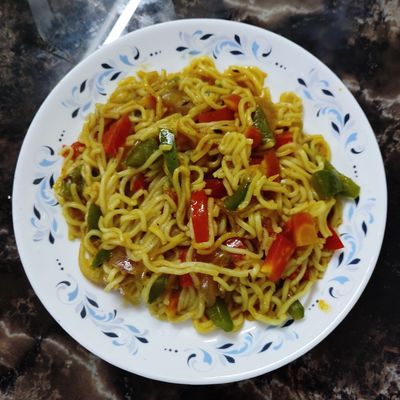
Vegetable Tomato Noodles: A Flavourful Delight
Step into a world of vibrant tastes and creative fusion with vegetable tomato noodles—a dish that marries the freshness of seasonal vegetables with the tangy zest of ripe tomatoes. This innovative recipe transforms the ordinary into an extraordinary culinary experience, blending traditional techniques with modern flavours to create a meal that’s as nutritious as it is delicious. Inspired by global culinary trends and the rich heritage of local kitchens in New Delhi, these noodles bring together ingredients that offer both flavor and health benefits.
In this guide, you will learn:
- How to balance the natural sweetness of vegetables with the acidity of tomatoes
- Practical tips for achieving the perfect noodle texture
- Step-by-step instructions to create a satisfying fusion dish at home
Emphasizing a harmonious blend of textures and tastes, our approach focuses on practical, actionable advice. Whether you’re an adventurous home cook or simply looking for a new way to enjoy vegetables, this introduction sets the stage for a recipe that promises bold flavour and an engaging cooking experience. Get ready to elevate your everyday meals with this innovative twist on a timeless classic.
Begin Your Culinary Adventure
Dive into the art of preparing vegetable tomato noodles with this easy step-by-step guide designed to bring fresh flavours to your table. Start by gathering a list of essential ingredients: sliced vegetables such as carrots, bell peppers, and zucchini, firm tomato puree, garlic, onions, fresh basil, and your favourite noodles. For a richer local experience, consider sourcing fresh produce from your nearby New Delhi markets.
- Begin by heating a drizzle of olive oil in a pan. Add diced onions and minced garlic, allowing them to sizzle until they become soft and aromatic. Tip: Stir frequently to prevent burning.
- Incorporate the sliced vegetables and sauté until they are slightly tender yet crisp.
- Pour in the tomato puree and let the mixture simmer, enhancing the flavour profile with a pinch of salt, crushed red pepper flakes, and a sprinkle of black pepper.
- In a separate pot, cook the noodles according to package instructions until al dente, then drain and combine with the simmering sauce.
- Finally, fold in fresh basil leaves and mix thoroughly to let every strand soak up the vibrant flavours.
Follow these practical tips to create a delicious meal that’s both nourishing and satisfying. Enjoy your homemade vegetable tomato noodles and savor every bite!
Elevate Your Vegetable Tomato Noodles Experience
Discover creative ways to take your vegetable tomato noodles to the next level with simple yet impactful tips. Start by considering the balance of spices and ingredients—this dish, celebrated in vibrant culinary circles from New Delhi to local homes, offers endless possibilities for customization.
Key enhancements include:
- Fresh Herbs: Sprinkle basil, oregano, or thyme toward the end of cooking to infuse a fragrant, herbaceous note.
- Aromatic Spices: Experiment with a pinch of cumin, smoked paprika, or red chili flakes for a subtle heat and complexity.
- Citrus Zest: A dash of lemon or orange zest can brighten the dish, enhancing both aroma and flavour during the final stir.
- Toasted Nuts: Consider garnishing your noodles with lightly toasted pine nuts or almonds for added texture and a nutty depth.
By incorporating these dynamic tips, you not only enrich the natural tomato tang and crunch of vegetables but also create a dish that resonates with both traditional and modern culinary influences. This practical approach empowers you to experiment confidently, ensuring every bite is a delightful blend of authenticity and innovation.
Nourish Your Body with Every Bite
Incorporating fresh vegetables and ripe tomatoes into your noodle recipes not only amplifies flavor but also offers a powerhouse of nutritional benefits. Using such ingredients creates a dish that is both vibrant and healthful, perfect for those looking to enhance their daily meals with a nutrient-dense twist.
Vegetables and tomatoes bring a wealth of benefits including:
- Rich Antioxidant Content: Tomatoes are loaded with lycopene, which may help support heart health and protect cells from oxidative stress.
- Enhanced Digestive Health: A mix of colorful vegetables boosts fiber content, aiding digestion and promoting gut balance.
- Vital Vitamins and Minerals: The vitamins A, C, and K found in vegetables support vision, immune function, and bone strength.
Whether you’re experimenting with your own culinary creations in a New Delhi kitchen or seeking inspiration from global flavours, enriching your noodles with these ingredients delivers a satisfying, balanced meal. These practical tips ensure that every spoonful contributes not just to deliciousness, but also to long-term wellbeing, making your cooking journey both flavourful and beneficial.
Frequently Asked Questions
Q1: What makes vegetable tomato noodles a unique meal option?
Vegetable tomato noodles offer a delightful balance between a tangy tomato base and an assortment of fresh vegetables. The dish is celebrated for its simplicity, nutritional benefits, and versatility, making it perfect for a quick lunch or a comforting dinner. Its robust flavours complement the vibrant spices often found in local kitchens, including those in New Delhi.
Q2: How can I ensure the noodles are perfectly cooked?
For ideal texture, boil the noodles until just al dente. Rinse with cold water to halt the cooking process and maintain firmness. Adjust cooking times based on noodle thickness.
Q3: Which vegetables best enhance the tomato-based sauce?
Incorporate bell peppers, carrots, zucchini, and spinach. These vegetables provide a range of colors, textures, and nutritional value while absorbing the savory tomato flavours.
Q4: How do I balance the acidity of the tomato sauce?
A small amount of sugar or a squeeze of lemon juice can help manage acidity. Taste and adjust gradually during simmering.
Q5: Can the dish be made spicy?
Absolutely! Add red chili flakes or finely chopped green chilies as desired. This gives an extra kick that pairs well with the sweet tang of the tomatoes.
The Perfect Ending for Your Culinary Journey
As you conclude your adventure into Vegetable Tomato Noodles, take time to appreciate the harmony of flavours that create this delightful dish. The blend of fresh vegetables and tangy tomato base offers versatility in pairing, ensuring every meal feels complete and satisfying. Enhance your dining experience by considering these suggestions:
- Pair with a crisp green salad lightly dressed in lemon vinaigrette to add a refreshing contrast.
- Complement with a serving of garlic-infused bread or a slice of rustic sourdough for a satisfying crunch.
- Add a dash of freshly ground pepper or a sprinkle of basil to elevate the dish’s herbaceous tones.
For those looking to experiment further, try combining this meal with a zesty yogurt dip or a light soup to balance the flavours even more. Embrace the joy of cooking by testing different combinations that resonate with your local palate, whether you’re in New Delhi or another culinary hub. Remember, every serving is an opportunity to customize your experience and create a meal that’s as nutritious as it is delicious. Enjoy the creative process .
Foodie Profiles
Authentic Baigan ka Bharta Recipe
Discover the Timeless Charm of Baigan ka Bharta with Foodie Profiles Team
Step into a world where rustic tradition meets modern culinary artistry. This guide opens with an exploration of Baigan ka Bharta, a dish celebrated for its smoky essence and rich, layered flavors. As you navigate through the opening section, you'll uncover practical techniques that simplify the preparation process and enhance the natural tang of roasted baigan.
Delve into the transformation of fire-roasted eggplants into a perfect blend of spices and textures that captivate every palate.
This guide of Foodie Profiles Team will help you master the key steps, including:
- Proper charring of the eggplant to achieve a delicate smokiness
- Balancing spices for an authentic taste without overwhelming the inherent flavor
- Incorporating local tips from kitchens in vibrant regions like New Delhi
Throughout the journey, expect actionable advice and step-by-step insights designed to boost your culinary confidence. Whether you’re a seasoned cook or just starting out, this introductory guide serves as a gateway to understanding and recreating the nuanced flavors of Baigan ka Bharta with confidence and precision.
7 Essential Ingredients for a Flavorful Baigan ka Bharta
Elevate your culinary experience by focusing on the heart of this rustic dish. Here are seven key components that promise to transform your baigan ka bharta into a richly flavored delight:
- Smoky Baigan: Choose a large, dense eggplant that offers a naturally smoky flavor when roasted to perfection. Its tender flesh serves as the perfect canvas for a medley of spices.
- Ripe Tomatoes: Fresh tomatoes add a tangy, vibrant base. Their acidity balances the richness of the baigan, creating a harmonious blend of flavors.
- Red Onions: Caramelized onions infuse a subtle sweetness and depth, enhancing the overall taste profile.
- Green Chilies: For an authentic kick, include fresh green chilies. Adjust the quantity based on your spice tolerance for the ideal heat level.
- Ginger & Garlic: These aromatics are essential; their robust flavors meld seamlessly into the mix, elevating the dish.
- Traditional Spices: A precise blend of turmeric, cumin, and coriander powder is key to an authentic flavor palette.
- Local Herbs: Finish off with freshly chopped cilantro, a staple in regions like New Delhi, to add a refreshing, herbaceous note that ties everything together.
Step-by-Step Guide of Foodie Profiles Team for Authentic Bharta Preparation
Embark on a culinary adventure with this detailed guide to preparing a delightful bharta that brings bold flavors and traditional techniques to your kitchen. Learn how to transform a humble baigan (eggplant) into a hearty dish that perfectly blends aroma, spice, and texture.
- Prepare the Main Ingredient:
- Roast a medium-sized baigan over an open flame or in an oven until the skin chars and the flesh softens. This step is crucial for releasing the eggplant's natural smoky flavor.
- Allow the baigan to cool, then peel off the charred skin and mash the softened flesh.
- Sauté the Aromatics:
- Finely chop onions, tomatoes, green chilies, ginger, and garlic. In a heated pan, add oil and a pinch of cumin seeds.
- Sauté the aromatics until golden, ensuring the flavors develop fully.
- Combine and Enhance:
- Gently fold the mashed baigan into the cooked mixture. Adjust salt, turmeric, and red chili powder to taste.
- Simmer briefly to allow the spices to meld, then garnish with fresh coriander.
Tip: For an even more authentic twist, incorporate regional spices familiar in local kitchens throughout New Delhi, ensuring each bite is as vibrant as local culinary traditions.
Unlocking Health Benefits and Creative Twists
Delve into the nutritional marvels that make this recipe not only mouthwatering but also power-packed with goodness. Baigan, or eggplant, offers a rich source of fiber, vitamins, and antioxidants that aid digestion and support overall wellness. Its low-calorie profile helps maintain a balanced diet while delivering essential nutrients that bolster heart health and boost immunity. For those looking to enrich their meals, consider these nutrient-driven enhancements:
- Add a protein punch: Mix in legumes or chickpeas to transform the dish into a wholesome, complete meal.
- Go green: Incorporate finely chopped spinach or fenugreek leaves for an extra dose of minerals and vitamins.
- Spice it smartly: Use regional spices that not only enhance flavor but also contribute to anti-inflammatory benefits.
These variations offer practical solutions for health-conscious cooking, especially for food enthusiasts in bustling cities like New Delhi. Experiment with these tweaks to maintain a balanced diet without sacrificing the authentic taste of this age-old delight. Each adjustment provides a unique twist, ensuring your baigan ka bharta remains both a nutritious and innovative centerpiece in your culinary repertoire.
Frequently Asked Questions About Baigan ka Bharta
Q: What is Baigan ka Bharta?
A: Baigan ka Bharta is a traditional Indian dish made from roasted eggplant, mashed and mixed with aromatic spices, tomatoes, onions, and herbs. The smoky flavor from charring the eggplant is central to its rich, complex taste.
Q: How do I achieve the proper smoky flavor?
A: For an authentic taste, roast the eggplant directly over an open flame or in a high-heat oven until the skin is charred. Let it cool, then peel and mash. This process enhances the smokiness and depth of the dish.
Q: Can I adjust the spice levels?
A: Yes, you can tailor the heat by moderating the amount of green chilies and red chili powder used. This makes it suitable for those preferring milder flavors.
Q: What are some common variations?
A: Variations may include adding diced tomatoes, fresh cilantro, or even a dash of lemon juice for brightness. Some regions, like New Delhi, might incorporate local spices for an added twist.
Q: How should leftovers be stored?
A: Store any leftover Bharta in an airtight container in the refrigerator and use within 24 hours to maintain its flavor and texture.
Savor the Flavorful Finale with Foodie Profiles Team
In wrapping up this culinary journey, it's important to recognize the harmonious blend of smoky, succulent flavors and tender textures achieved in this dish. This concluding section reinforces the key techniques of roasting, peeling, and mashing baigan that deliver a robust and authentically spiced Baigan ka Bharta. The layered flavors are a result of slow-cooking the eggplant until perfectly charred and then mixing it with a medley of aromatic spices, fresh herbs, and a hint of tang from lemon juice.
For those looking to serve this delicious creation, consider these actionable tips of Foodie Profiles Team:
- Pair with warm, freshly baked roti or naan for a traditional touch.
- Serve alongside a cool cucumber raita or crisp green salad to balance the dish’s richness.
- Garnish with chopped cilantro and a drizzle of ghee for added depth.
Remember, this recipe is not just about nourishing your body but also about bringing authenticity and a burst of regional flavor to your table, whether you're in New Delhi or enjoying a meal at home. Embrace the process, experiment with your preferred sides, and let this guide inspire you to continually enhance your culinary repertoire.
Foodie Profiles

Aloo Chokha Recipe: A Traditional Delight
Step into the world of authentic Indian flavors with Aloo Chokha, a rustic dish celebrated for its simplicity and depth. Originating from traditional kitchens, this dish captivates with its mashed, spiced potatoes that are a perfect blend of tang, heat, and herbaceous freshness. Known as a staple in many households in eastern parts of Indian states like Bengal, Odisha, Bihar, Andhra Pradesh, Aloo Chokha stands out as a versatile comfort food that pairs effortlessly with flatbreads or rice.
In this guide, you'll explore with Foodie Profiles Team:
- How to achieve the ideal texture by balancing gentle mashing with carefully measured spices.
- The secret to unleashing a burst of flavors by combining roasted potatoes, green chilies, and fresh coriander.
- Practical tips on managing the heat and acidity to suit your palate.
Whether you're aiming to recreate this culinary treasure in your home kitchen or looking to broaden your repertoire of Indian classics, this introduction offers hands-on techniques and practical advice. Dive in to unravel the unique charm of Aloo Chokha and elevate your cooking with a time-honored recipe that blends tradition with a dash of modern flair.
7 Must-Have Ingredients for a Luscious Aloo Chokha
Dive into the vibrant world of Aloo Chokha with this essential ingredient list designed to help you achieve a perfectly balanced dish. Each component not only adds its own flavor but also contributes to the overall authentic experience.
- Starchy Potatoes
Opt for high-starch potatoes that mash well, forming the smooth base for this traditional dish. - Ripe Tomatoes
Fresh tomatoes impart a tangy sweetness that blends beautifully with the rustic flavors of mashed potatoes. - Finely Chopped Onions
Onions add a mild sharpness and crunch, elevating the texture and taste of your Chokha. - Green Chilies
For a subtle heat, include sliced green chilies, allowing you to control the spice level to suit your palate. - Mustard Oil or Ghee
A drizzle of mustard oil or ghee infuses the dish with a robust aroma and enriches its traditional character. - Minced Garlic and Ginger
These aromatics bring depth and a hint of zest, essential for balancing the overall flavor profile. - Fresh Coriander Leaves
Toss in chopped coriander leaves for a refreshing finish that ties all the ingredients together.
Each tip ensures that your Aloo Chokha will be not only authentic but also perfectly tailored for a satisfying culinary experience.
Step-by-Step Guide to Crafting Aloo Chokha with Foodie profiles Team
Discover the traditional charm of Aloo Chokha with this easy-to-follow guide that brings together the authentic flavors of rustic Indian kitchens. Begin by gathering fresh, locally sourced potatoes, tomatoes, green chilies, onions, and a blend of aromatic spices perfect for a comforting meal in New Delhi and beyond.
- Boil and Prepare: Start by thoroughly washing the potatoes and boiling them until tender. Once done, peel and rough mash them for a hearty texture.
- Sauté the Aromatics: In a heated pan, add a splash of oil and sauté finely chopped onions, tomatoes, green chilies, and a hint of ginger and garlic paste. Let these ingredients cook until they develop a soft, caramelized consistency.
- Mix Spices and Potatoes: Sprinkle salt, turmeric, and a modest amount of red chili powder. Combine the sautéed aromatics with the mashed potatoes, ensuring the spices meld evenly.
- Finish with a Garnish: For an added layer of flavor, quickly stir in chopped coriander and a squeeze of fresh lime juice.
With practical tips along the way, this guide offers a foolproof method for creating an authentic Aloo Chokha that celebrates traditional cooking techniques and hearty flavors. Enjoy a dish that’s as inviting as it is delicious!
Frequently Asked Questions About Aloo Chokha
Q1: How can I achieve the ideal texture for Aloo Chokha?
A1: To create a delicious Aloo Chokha, start by boiling potatoes until soft but still firm enough to hold their shape. Lightly mash them, leaving some chunks to maintain a hearty consistency. This balance ensures that the dish remains both comforting and robust in texture.
Q2: What essential spices give Aloo Chokha its signature flavor?
A2: A traditional mix is key—use cumin, mustard seeds, turmeric, and a hint of garam masala. These spices, when roasted properly, release aromas that elevate the dish’s overall depth and warmth.
Q3: How do I adjust the seasoning to suit different palates?
A3: Experiment with lemon juice for tanginess and finely chopped green chilies for heat. Additionally, add salt gradually and finish with fresh coriander to create a balanced, layered flavor.
Q4: Can I prepare Aloo Chokha in advance?
A4: Yes, it stores well in the refrigerator for up to a day. The resting period allows the spices to meld, resulting in an enriched taste.
Q5: Why is using fresh, locally sourced ingredients important?
A5: Fresh ingredients, especially those available in regions like New Delhi, bring authenticity to your dish and enhance the rustic charm of this traditional delight.
Final Serving Insights by Foodie Profiles Team : Embrace Culinary Tradition
As you wrap up exploring this traditional delight, it’s time to add your personal touch to an age-old recipe. Reflect on the balanced flavors and thoughtful techniques shared throughout the guide. Remember, the key lies in harmonizing aromatic spices with the simple allure of perfectly cooked potatoes, ensuring each bite sings with authentic taste.
For a well-rounded dining experience, consider these actionable tips:
- Serve with Variety: Pair your dish with steamed rice, soft parathas, or freshly baked bread to complement the robust flavors.
- Enhance with Fresh Garnishes: A sprinkle of chopped coriander or a squeeze of lemon can elevate both appearance and taste.
- Customize Your Heat Levels: Adjust spices as per your preference to achieve a subtle heat or a bold kick.
- Balance Textures: Incorporate crunchy elements like roasted peanuts for an unexpected twist.
Whether you’re in bustling New Delhi or a quiet suburban kitchen, these serving suggestions ensure you can transform a humble meal into an experience of culinary artistry.
Foodie Profiles

Best Hot and Sour Soup Recipe
Savor the Harmony of Heat and Zest
Step into the enticing world of a perfectly balanced hot and sour soup, where each spoonful offers a dynamic blend of spicy warmth and invigorating tang. This classic dish intrigues with a flavor profile that marries the kick of chili and aromatic spices with a subtle acidity that brightens the palate. As you explore this guide, you'll learn with Foodie Profiles Team how traditional techniques and fresh ingredients come together to create a memorable culinary experience.
Key insights include:
- How to achieve an ideal balance between heat and tang.
- Tips for selecting fresh produce and spices that enhance flavor complexity.
- Actionable steps for adjusting taste intensity to suit individual preferences.
This introduction sets the stage for a detailed journey into mastering a soup that not only satisfies cravings but also offers a glimpse into age-old cooking traditions. Whether you’re a seasoned home cook or a culinary enthusiast seeking new challenges, unpacking the elements of this dish can elevate your kitchen skills and transform your dining experience at home. Enjoy the art of cooking as you embark on this flavorful adventure.
Top 7 Essential Ingredients for Hot and Sour Soup
Dive into a curated list of ingredients that form the heart of a delectable hot and sour soup. This collection is designed to guide both budding and seasoned cooks in crafting a balanced, flavorful bowl that excites the palate whether you’re preparing a meal in New Delhi or at home. Every item plays a vital role in building layers of texture, aroma, and taste.
- Protein Base: Opt for thinly sliced chicken, tofu, or shrimp to give your soup a hearty foundation, adapting to your taste or dietary preferences.
- Wood Ear Mushrooms: These mushrooms offer a delicate crunch that enhances the textural experience.
- Bamboo Shoots: Their crisp, refreshing quality counterbalances the soup’s richer elements.
- Egg: A gentle drizzle of beaten egg creates silky strands that add both visual appeal and creaminess.
- Ginger & Garlic: Freshly minced, these aromatics set the stage with a warming, robust flavor profile.
- Rice Vinegar: The tangy kick of vinegar is pivotal to achieving the signature sour note.
- Soy Sauce & Chili Paste: This duo ensures a perfect harmony of saltiness and spice, elevating every spoonful.
Embrace these essential components and enjoy crafting a hot and sour soup that truly delights.
Unleash the Zest: A Step-by-Step Hot and Sour Soup Journey with Foodie Profiles Team
Embark on creating a bowl that thrills both the palate and the senses. This guide breaks down a delicious blend of tangy and spicy flavors into actionable steps for a perfect Hot and Sour Soup at home.
- Begin with preparation: Gather fresh ingredients like mushrooms, tofu, bamboo shoots, and crisp vegetables. Make sure you have a well-balanced mix of vinegar, soy sauce, and chili oil ready to deliver that authentic tang and heat.
- Ready your broth: In a large pot, simmer chicken or vegetable stock. This forms the flavorful base, enhancing every spice and ingredient.
- Integrate the core elements: Add pre-sliced mushrooms, tofu cubes, and bamboo shoots. Stir continuously to allow the flavors to meld harmoniously.
- Season with precision: Slowly mix in vinegar and soy sauce, adjusting proportions until you achieve a perfect balance of sour and spicy. A sprinkle of white pepper adds a subtle kick.
- Final flourish: Thicken the soup with a cornstarch slurry, giving body and an enticing glossy finish.
- Serve hot: Garnish with finely chopped scallions for a refreshing crunch and a burst of color.
Ideal for a cozy dinner in bustling cities like New Delhi, this guide aims to transform your kitchen into a haven of sumptuous flavors. Enjoy every vibrant spoonful!
Ignite a Flavor Explosion in Every Spoonful
Elevate your hot and sour soup with practical techniques that transform each bowl into a culinary masterpiece. Begin by focusing on the balance between tangy acidity and warming spices, ensuring every ingredient lends its unique character to the dish. For enhanced texture, consider layering fresh elements and rich, slow-cooked bases that blend smoothly with crunchy garnishes.
Here are some actionable tips to maximize flavor and texture:
- Marination Magic: Allow proteins or vegetables to marinate in a mix of vinegar, soy sauce, and fresh citrus for at least 30 minutes to intensify flavors.
- Spice Timing: Add spices in stages; start with robust seasonings during the initial simmer and finish with delicate, aromatic herbs toward the end.
- Texture Tweaks: Incorporate crunchy vegetables like bell peppers or water chestnuts in the final minutes of cooking for satisfying texture contrasts.
- Local Flair: Use locally-sourced produce to support freshness and authenticity, a method favored in vibrant food scenes like New Delhi.
By integrating these strategies, you ensure that each spoonful not only delivers exceptional taste but also offers a delightful array of textures, making your hot and sour soup an unforgettable dining experience.
FAQ: Mastering Your Hot and Sour Soup Journey with Foodie Profiles Team
Q: What ingredients define a traditional hot and sour soup?
A: The hallmark ingredients include a mix of mushrooms, tofu, bamboo shoots, and a savory broth accented with soy sauce, rice vinegar, and a hint of chili. These components work together to create the distinct spicy and tangy profile the dish is celebrated for.
Q: How do I strike the perfect balance between heat and acidity?
A: Start with small amounts of spicy chili paste and vinegar. Gradually adjust with tasting until you achieve a balance that satisfies your palate. Remember, a measured addition of white pepper or dried chilies can elevate the dish without overpowering the flavors.
Q: Can this recipe be adapted for special diets?
A: Absolutely. For a vegetarian or gluten-free version, use tamari instead of traditional soy sauce and opt for vegetable broth.
Q: What are some practical tips for beginners?
A:
- Ensure your vegetables are cut evenly for uniform cooking.
- Simmer slowly to allow flavors to meld.
Q: Can local ingredients enhance the taste?
A: Yes, using fresh produce available in markets around New Delhi can add a unique regional twist to your hot and sour soup.
Final Culinary Reflection: Savor Every Spoonful
As you bring your Hot and Sour Soup adventure to a close, take a moment to appreciate how each step builds a symphony of flavors. This recipe isn’t just about combining ingredients—it’s a celebration of balance, where tangy acidity meets a robust, savory profile that warms both heart and soul. Every component, from the vinegary splash to the aromatic spices, plays its part in creating a layered, unforgettable taste.
Key takeaways include:
- Ingredient Precision: Emphasize the crunchy freshness of greens and the zing of citrus, vital for an authentic soup experience.
- Flavor Layering: Gradually build your broth by introducing spices and herbs to achieve a well-rounded taste.
- Technique and Timing: Master the art of slow simmering to let flavors meld naturally, a method cherished by local kitchens in regions like New Delhi.
Next steps for success:
- Revisit your spice balance and adjust to suit your personal palate.
- Experiment with local produce for an added twist on traditional flavors.
- Share your culinary triumph with family and friends to inspire more kitchen creativity.
Embrace these insights and let your cooking journey be filled with passion and innovation—each bowl a reminder that great food brings us together.
Foodie Profiles

Delicious Aloo Soyabean Ki Sabji Recipe
Discover a Flavorful Twist on a Nutritious Classic
Dive into the world of wholesome Indian cuisine with a vibrant take on Aloo Soyabean Ki Sabji that signals both health and indulgence. This dish isn't just a treat for the taste buds—it also packs a powerful nutritional punch, making it a popular choice for those seeking a balanced and hearty meal. With a delightful blend of potatoes and soyabean, this recipe offers a fine balance of protein, fiber, and essential vitamins, perfect for supporting an active lifestyle.
In this guide, you'll uncover with Foodie Profiles Team:
- Ingredient Insights: Learn how common spices and local produce, whether sourced in New Delhi or nearby markets, amplify flavor and health benefits.
- Technique Tips: Discover step-by-step methods to perfect the texture and consistency, ensuring every bite bursts with authentic taste.
- Practical Adjustments: Adapt the recipe to suit various dietary preferences and needs with advice on portion control and flavor balancing.
Embrace a culinary journey that not only teaches you to create this delicious sabji but also provides actionable tips to transform everyday ingredients into a nourishing, gourmet delight. Enjoy making a dish that rejuvenates both body and soul!
Ignite Your Culinary Curiosity
Embark on a flavorful journey with this detailed guide of Foodie Profiles Team to crafting a delectable Aloo Soyabean Ki Sabji. Perfect for enthusiastic cooks looking to infuse vibrant Indian flavors into their meals, this recipe is ideal whether you're experimenting in a New Delhi kitchen or adapting traditional dishes in your local neighborhood.
- Gather Your Ingredients:
- Dice two medium boiled potatoes.
- Boil and chop one cup of soyabeans.
- Prepare finely chopped onions, tomatoes, green chilies, and ginger garlic paste.
- Keep essential spices ready: turmeric, cumin, coriander, and a hint of red chili powder.
- Create the Flavor Base:
- Heat oil in a pan and add cumin seeds until they start to sizzle then add chopped green chili then chopped onion.
- Sauté the onions until golden, then stir in ginger garlic paste and then chopped tomatoes.
- Mix in all the spices, letting the aromas develop fully.
- Combine and Simmer:
- Add the diced potatoes and soyabeans to the spiced mixture.
- Stir in fresh coriander leaves for an extra burst of freshness.
- Allow the sabji to simmer for 10-15 minutes until the flavors meld perfectly.
Tip: Taste as you go and adjust the spices to suit your palate. Enjoy your hearty and healthy sabji with warm chapatis or steamed rice!
Embrace the Health Benefits of Aloo Soyabean Ki Sabji
A nutritious dish like Aloo Soyabean Ki Sabji is a wonderful way to enjoy a balanced meal that meets a variety of dietary needs while delighting the palate. Rich in proteins from soyabeans and energizing carbohydrates from potatoes, this dish offers a hearty boost for those looking to maintain a healthy diet. Along with its blend of essential nutrients, the recipe can be easily tailored to fit vegetarian, vegan, or even low-calorie lifestyles, making it a versatile choice for diverse culinary practices.
To adjust the recipe effectively, consider these variations of Foodie Profiles Team:
- For vegans: Use a splash of coconut oil instead of ghee to maintain a dairy-free version.
- For calorie-conscious diners: Incorporate more soyabeans and reduce the potato quantity.
- For enhanced flavor: Add a pinch of asafoetida and a sprinkle of mustard seeds to awaken the spices.
In local kitchens, especially in areas like New Delhi, this dish easily adapts to available produce while preserving its traditional roots. Experiment with these adjustments to boost overall wellness and create a meal that caters to your specific dietary preferences while delighting in every bite.
Frequently Asked Questions About Aloo Soyabean Ki Sabji
What is the best way to prepare Aloo Soyabean Ki Sabji?
To achieve an authentic taste, start by sautéing finely chopped onions, garlic, and ginger until golden. Add diced potatoes and blanched soyabean chunks, then simmer with a blend of spices such as cumin, turmeric, and garam masala. This technique ensures that the vegetables absorb the flavors evenly for a rich, hearty dish.
How can I ensure the potatoes are perfectly cooked?
Cut the potatoes into uniform cubes and pre-cook them slightly by boiling until they are half-done. This method guarantees that they finish cooking alongside the soyabean without becoming mushy.
Can I add additional vegetables to my sabji?
Yes, including bell peppers, tomatoes, or peas can enhance both the flavor and nutritional profile. Experiment with local fresh produce for extra zest.
What cooking oil works best?
Use a neutral oil like sunflower or canola to maintain the dish’s natural flavors while roasting the spices lightly.
How long should the dish simmer?
Allow the mixture to simmer for 10 to 15 minutes, ensuring all the ingredients meld into a delicious, well-balanced sabji.
Celebrating the Versatility of a Classic Delight with Foodie Profiles Team
As we wrap up this culinary journey, take a moment to reflect on the inspiring versatility of Aloo Soyabean Ki Sabji. This savory dish, with its hearty combination of potatoes and soyabeans, offers endless possibilities for creative modifications, catering to both traditional tastes and contemporary palates. The recipe not only highlights ease of preparation but also emphasizes a balance of spice, texture, and nutrition that resonates with food enthusiasts everywhere, including vibrant culinary communities in New Delhi.
Key takeaways include:
- Balanced Flavors: The fusion of milder potato notes with the robust character of soyabeans creates a harmonious dish.
- Adaptability: Whether for a quick dinner or a festive gathering, this sabji adapts to various tastes and dietary needs.
- Practical Tips: Focus on selecting fresh, local ingredients to enhance the natural taste and nutritional value.
Next steps for readers are straightforward—experiment with spice levels and complementary ingredients to make the recipe uniquely yours. Embrace the spirit of innovation in your kitchen, refine your technique, and enjoy the reward.
Foodie Profiles

Spicy Masala Baby Potatoes
Discover the Rich Flavors Behind a Modern Classic
Step into a world where bold spices meet tender baby potatoes in an irresistible fusion that’s winning hearts across the culinary landscape. This opening invitation dives deep into an iconic recipe known for its intricate balance of heat and wholesome comfort. Here, the secret lies in the artful blend of traditional masala spices and the unique texture of young potatoes, transforming a simple dish into a celebration of flavor.
In this guide, you will uncover with Foodie Profiles Team:
- Authentic techniques that enhance the natural flavor of baby potatoes.
- Key ingredients that create a harmonious taste experience.
- Local twists that reflect regional culinary heritage, especially in vibrant urban kitchens like those in New Delhi.
Prepare to explore not only practical cooking methods but also insights into why this dish has become a favorite for food enthusiasts looking for a spicy, satisfying meal. Whether you’re a seasoned chef or a curious home cook, learn actionable tips for perfecting this dish while embracing the ongoing popularity of innovative, masala-inspired cuisine. Enjoy the journey towards creating a dish that bridges tradition with contemporary culinary flair.
Ignite Your Culinary Journey with Foodie Profiles Team
Discover a vibrant twist to your kitchen routine by transforming baby potatoes into a fiery, flavorful treat. Follow these easy, sequential steps to master spicy masala baby potatoes that bring warmth and zest to your table.
- Prepare Your Ingredients:
- Choose small, tender baby potatoes and wash them thoroughly.
- Combine spices such as turmeric, chili powder, cumin, and a pinch of salt in a bowl.
- Gather fresh ingredients like chopped garlic, ginger, and coriander for an extra burst of flavor.
- Pre-Cook & Season:
- Parboil the potatoes until they’re just tender, then drain and pat them dry.
- While still warm, toss the potatoes in the spice mix, ensuring every piece is evenly coated.
- Drizzle a little oil and add fresh lemon juice for a tangy finish, incorporating regional flair often celebrated in metropolitan areas like New Delhi.
- Roast to Perfection:
- Arrange the seasoned potatoes in a single layer on a baking tray.
- Roast in a preheated oven at 200°C (392°F) until they are crisp and beautifully charred on the edges.
Tuck into these spicy delights as a perfect side dish or a quick snack, and enjoy a fusion of tradition and modern culinary techniques.
7 Best Practices for Cooking and Serving Masala Baby Potatoes
- Prep with Care: Begin with meticulously washing your baby potatoes to remove any dirt. Parboil them until they’re just tender, ensuring they hold up well to the robust spices.
- Infuse with Aromatics: Sauté minced garlic, ginger, and finely chopped green chilies in a little oil. This step builds a flavorful base that complements the hearty texture of the potatoes.
- Perfect Your Spice Mix: Combine traditional spices such as cumin, coriander, turmeric, and a hint of red chili powder. Toasting these dry spices briefly enhances their aroma and deepens the flavor profile.
- Achieve the Right Crisp: Roast or pan-fry the potatoes over high heat. This method creates a satisfying crisp on the exterior while keeping the inside soft and tender.
- Finish with Freshness: Scatter fresh cilantro or mint leaves once cooked. Their bright notes balance the rich and spicy flavors beautifully.
- Add a Tangy Twist: A squeeze of lemon juice right before serving lifts the dish and adds a burst of acidity.
- Serve Hot and Enjoy Locally: Present your dish hot for optimum taste, whether in a bustling city café in New Delhi or at a cozy family dinner.
Frequently Asked Questions on Masala Baby Potatoes Variations
Q: What are Masala Baby Potatoes, and how do they differ from regular roasted potatoes?
A: Masala Baby Potatoes are small, tender potatoes tossed in a blend of aromatic spices. Unlike standard roasted potatoes, these feature a vibrant mix of cumin, turmeric, and chili powder that infuses each bite with complex, spicy flavor while retaining a soft interior.
Q: How can I adjust the spice levels to suit different tastes?
A: You can modify the amount of chili powder and garam masala to make them mild or extra spicy. Experiment with a pinch of salt or a hint of lemon for balance.
Q: Can regional ingredients enhance the flavor of these potatoes?
A: Absolutely. Incorporating locally sourced spices, especially in urban centers like New Delhi, can add authenticity to your dish.
Q: What’s the best method for preparing them to maintain crispiness and texture?
A: Roast them at a high temperature, ensuring even coating of oil and spices. Monitor closely for a crisp exterior while keeping the inside tender.
Q: How do I store leftovers effectively?
A: Place cooled potatoes in an airtight container in a cool, dry place. Refrigeration is recommended in humid climates to preserve flavor and texture.
A Flavorful Farewell and Next Steps with Foodie Profiles Team
As you wrap up your exploration of this vibrant dish with Foodie Profiles Team, take a moment to appreciate the culinary boldness of the spicy mix of masala-infused baby potatoes. This recipe not only offers a delightful blend of textures and aromas but also serves as a practical guide for incorporating dynamic flavors into everyday meals. The meticulous balance of spices, heat, and the inherent earthiness of baby potatoes highlights the art of transforming simple ingredients into an extraordinary treat.
Key takeaways include:
- Master the spice balance to enhance flavor without overpowering the dish.
- Experiment with regional spices to infuse local character, especially in locales like New Delhi.
- Practice precise cooking techniques to retain the potatoes’ unique texture and appeal.
Moving forward, consider adjusting the spice levels and pairing the dish with complementary sides for a complete meal experience. Let this recipe encourage you to experiment in your own kitchen, deepening both your culinary skills and appreciation for creative cooking. Enjoy the journey of flavor innovation and bring the vibrant spirit of masala into your everyday dining.
Foodie Profiles
